Even though Luxury Vinyl Tile (LVT) is built to be durable and low-maintenance, it’s not indestructible. Using the wrong cleaning tools or products can permanently damage the wear layer, cause discolouration, or even void your flooring warranty.
Here’s a clear list of what to avoid when caring for LVT floors in your home or business:
1. Steam Mops or Steam Cleaners
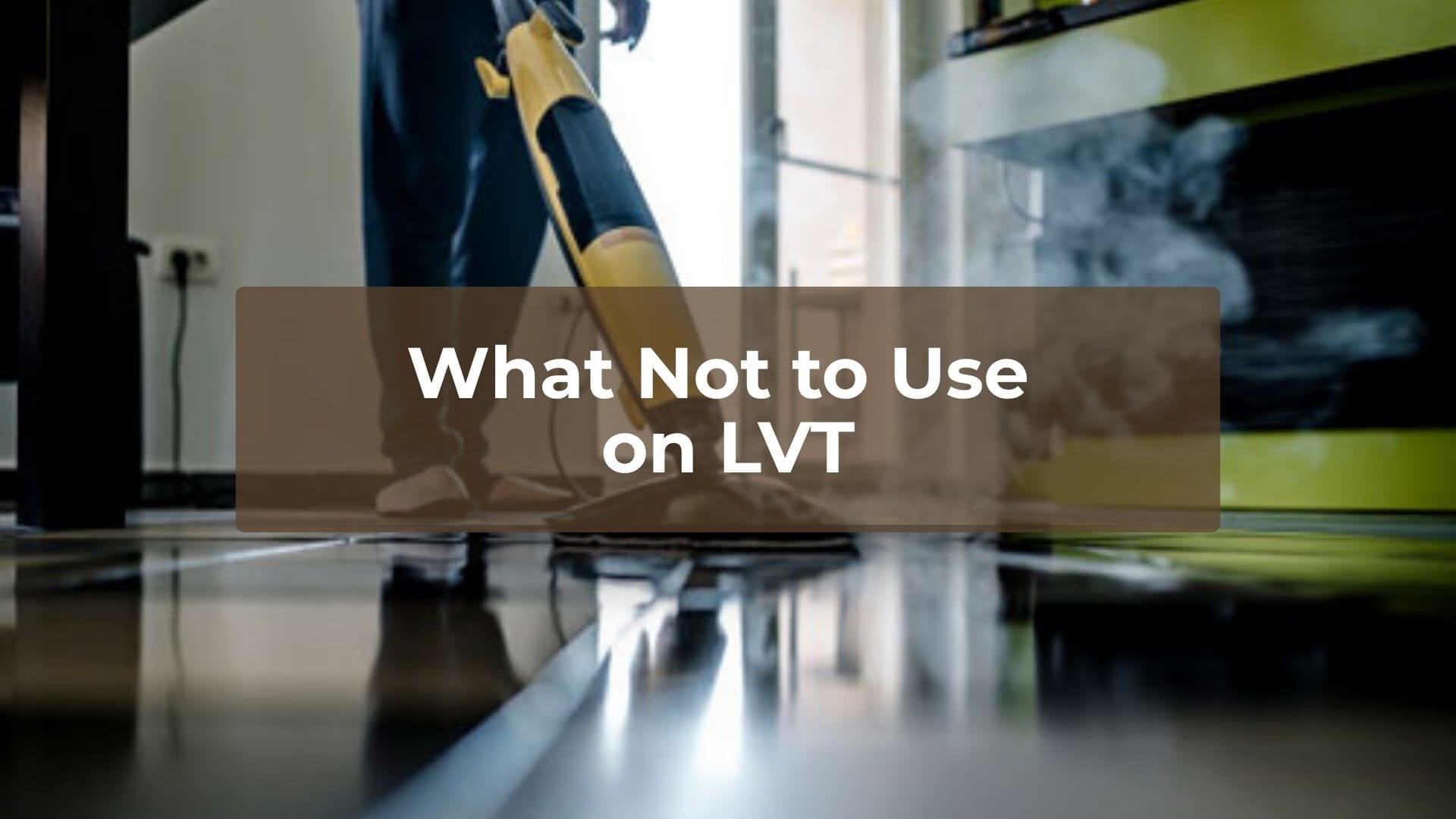
Steam might sound like a deep-cleaning miracle, but it’s one of the biggest threats to LVT. The heat and moisture can weaken the adhesive and cause the edges or corners of the tiles to lift.
Most LVT manufacturers—including Karndean and Amtico—explicitly ban steam cleaners in their care guidelines.
2. Abrasive Scrub Pads or Brushes
Avoid anything with stiff bristles or a rough surface. These will scratch the protective top layer and leave your floors looking dull and worn over time.
Examples to avoid:
- Scouring pads (green/metal ones)
- Hard-bristled scrub brushes
- Steel wool
3. Bleach, Ammonia, or Vinegar-Based Products
While these are often recommended for hard floors, they are too harsh for LVT. Bleach and ammonia can cause fading, cracking, or yellowing, while vinegar (even diluted) is acidic and can eat away at the finish.
Stick with pH-neutral cleaners specifically labelled safe for LVT.
4. Wax or Polish Meant for Other Floors
LVT has a built-in finish and doesn’t need additional polish or wax. Using wood floor polish or tile sealant products can make the surface slippery, sticky, or cloudy.
5. Vacuum Cleaners with a Beater Bar
That rotating brush on your upright vacuum is great for carpet—but not for LVT. It can scuff and scratch the surface, especially if debris gets caught underneath.
Use a vacuum with a hard floor setting or soft suction head only.
6. Excess Water
Flooding the floor with a soaking wet mop or bucket of water can seep into tile seams or edges, weakening adhesive bonds and causing lifting over time.
LVT is water-resistant, not waterproof—especially at the joins.
Quick Summary Table
| What to Avoid | Why It’s Bad |
|---|---|
| Steam mops | Breaks down adhesive and causes warping |
| Abrasive scrubbers | Scratches wear layer, dulls finish |
| Bleach, ammonia, vinegar | Harsh chemicals that damage LVT surface |
| Wax or wood floor polish | Creates buildup, slippery or cloudy surface |
| Beater bar vacuums | Causes micro-scratches and surface damage |
| Excess water | Can lead to edge lifting and adhesive failure |
Final Tip
When in doubt, always check the manufacturer’s care guide for your specific LVT brand. Many offer product-specific cleaning instructions that help you avoid invalidating the warranty.